

About the Artist
Introduction
Kirsten Muenster is an artist, sculptor, jeweler, and curator of fine objects. Kirsten’s intuitive designs explore the symbiotic relationships and curiosities of the natural world. She finds poetry in uncommon forms, structural oddities, and the exquisite interdependence of nature. She has an appreciation for the unusual and unexpected, creating pieces that blur the line between ornament and sculpture.
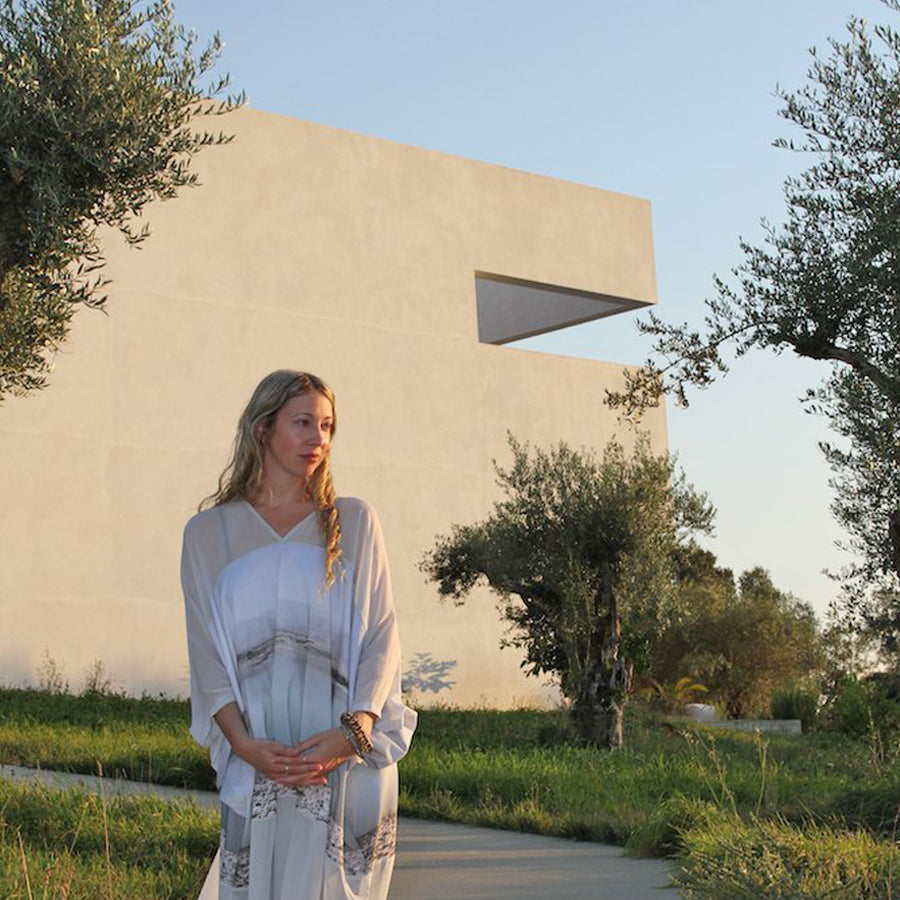
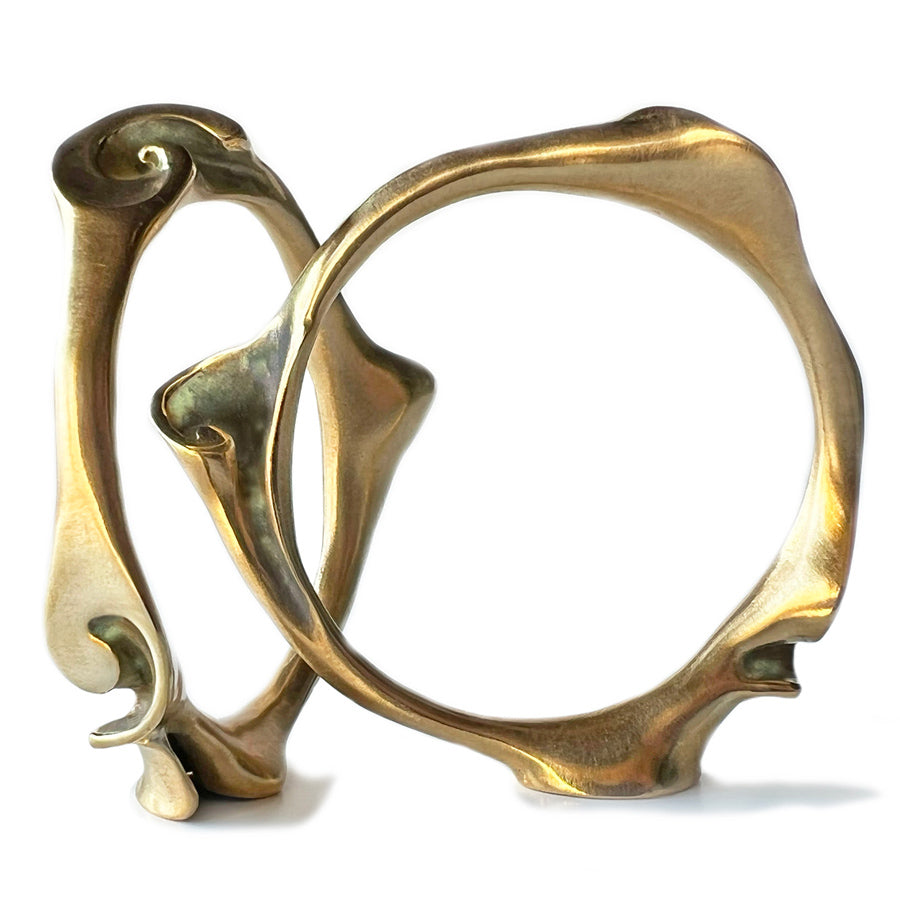
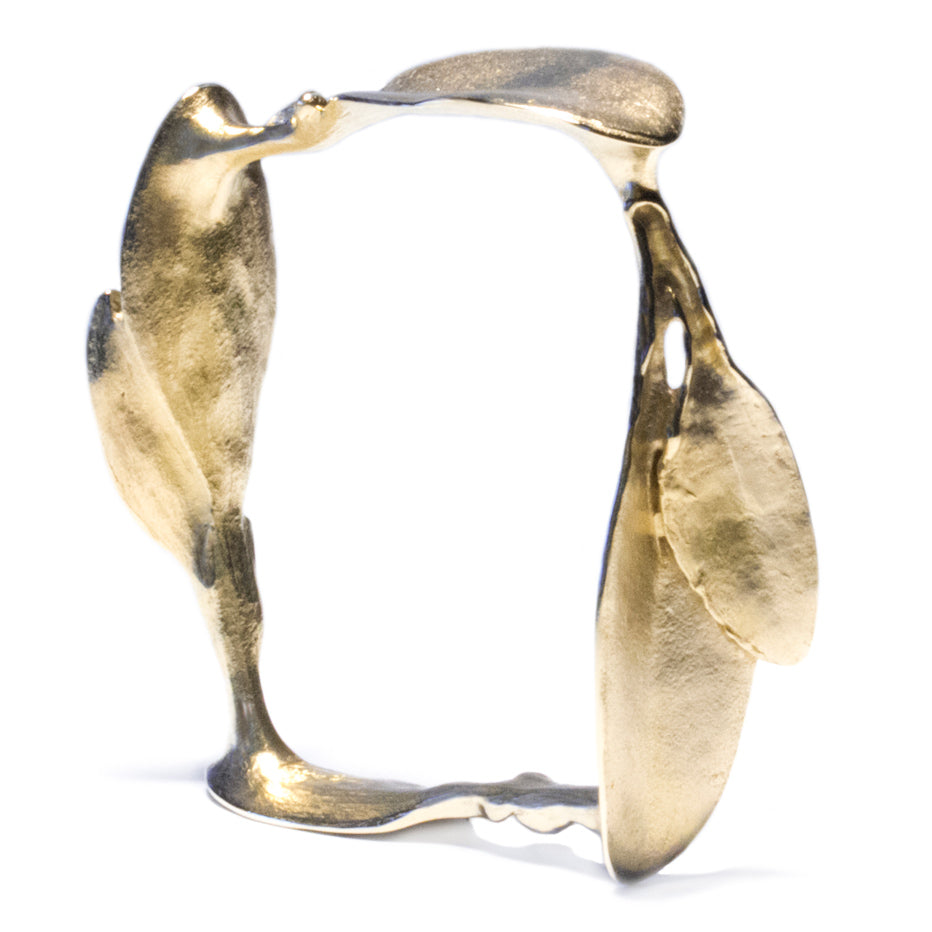
Kirsten's Jewelry is known for its hand-carved ‘Organic Architecture’. At the heart of each creation lies a celebration of nature coupled with a commitment to originality. Creating limited edition and one-of-a-kind pieces is a reflection of Kirsten’s belief in the inherent value of individuality and uniqueness. Intensely tactile, and deeply sensual, her pieces work their way into psyche and soul.
[image: Slide Bangles]
“I create jewelry that I want to wear, pieces I dream about, that make me feel as if I’ve just discovered and unearthed some rare treasure. Wearing jewelry is a sensual experience: slipping a smooth metal ring on your finger, wrapping a thickly woven chain around your wrist, or draping a strand of stones around your neck - it’s all about the intimacy of touch and becoming one with the jewelry. I love seeing collectors form a bond with a piece, where it becomes something they reach for to instantly feel complete and confident in their individuality.”
Inspiration
Drawing inspiration from nature, unique materials, ancient artifacts, architecture, and sculpture, Kirsten’s pieces emerge from her intuition and imagination. Guided by the materials, pieces are carved by hand and infused with storytelling.
Memories, scents, music, and dreams from childhood act as muses. Journeys through Spain, Portugal, Greece, Mexico, Venezuela, and the Dominican Republic helped shape her, along with visions of her parent’s garden, the thrill of antique collecting, and the magic of summers spent swimming and building mermaid lagoons in the sand. These life lessons, imagery, and impressions are emotionally evocative and feed her creative spirit.
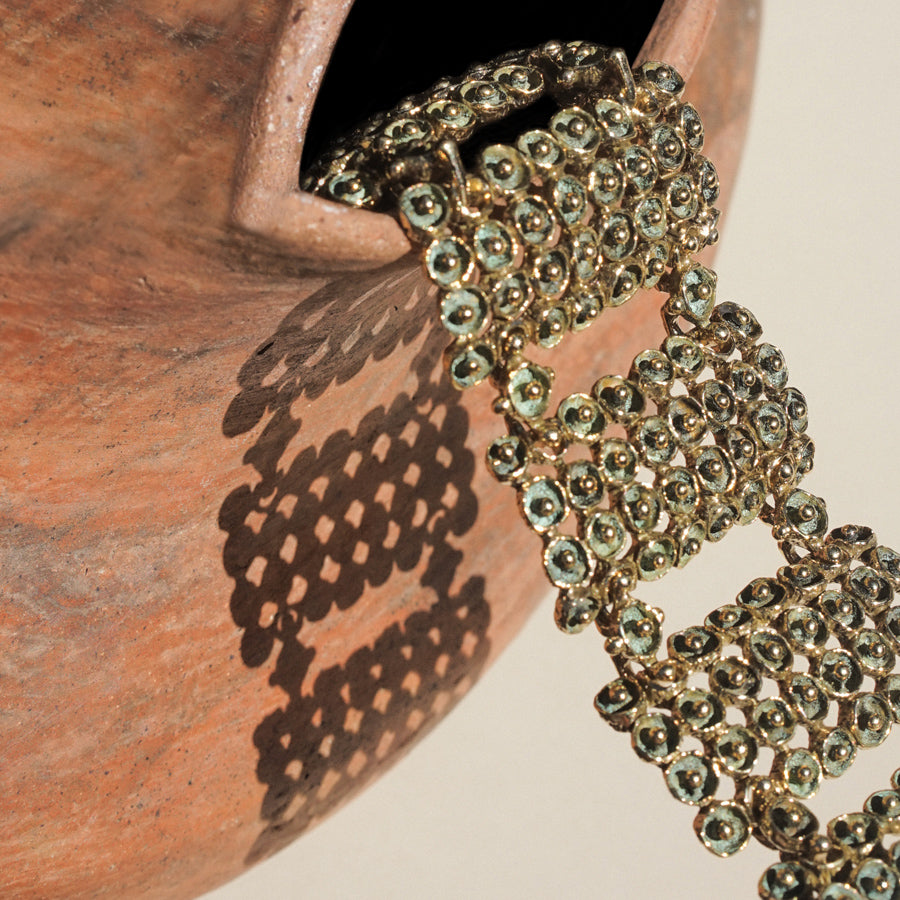
[image: Mosaic Hinge Bracelet]
“My mother, an antiques dealer, gave me a vintage silver ring when I was young. It was a beautiful garland of carved flowers and wearing it made me feel special and powerful. The detailed craftsmanship, stamps, and markings inside made me think about the person who made it. I also dreamt about the women who wore it before me and wondered how it made them feel. That first ring made me understand the power of jewelry, it lives and grows with you and tells so many stories.”
Education
As with most art jewelers, Kirsten's work is inseparable from her personal history and journey as an artist. She is a fourth-generation metalsmith, her Great-Great-Grandfather was a coppersmith in Austria. Her Great-Grandfather came to the US in 1909. He and his son were coppersmiths and steel workers. She still uses some of their tools in her studio today.
Her father fostered her love of tools and creative problem-solving. He taught her how to wield the hammer and torch to create her first ring at age 14. Kirsten attributes her love of nature to her mother, a passionate gardener, and antique dealer, who sparked her love of vintage jewelry and clothing at an early age. Other family members were painters, potters, enamelers, lace makers, and photographers. Kirsten spent her childhood absorbing her family’s traditions of age-old crafts.
While in high school she attended a summer program at RISD for drawing and printmaking, and eventually started taking night classes with a retired jeweler to learn basic jewelry fabrication and stone setting. She went on to study at the University of the Arts, a visual and performing arts school in Philadelphia, PA, majoring in Crafts with a Metals/Jewelry focus, under the guidance of distinguished jeweler Sharon Church. Foundation studies included various crafting techniques and mediums - mold-making and hand-building (ceramic), stained glass, dying and weaving (fiber), paper making, bookbinding, and Brazilian dance. Her primary focus and love was jewelry fabrication and casting, and by graduation, she was arc welding large-scale sculpture and furniture.
[image: Square Leaves Bracelet]
“I’m grateful for such a diverse education. The different tools, methods, materials, and techniques are interwoven and inform the way I create. But one of the things I didn’t learn in school was how to carve… so what I do with wax carving today is basically self-taught experimentation. I approach wax like a ceramicist with clay, it’s an additive and subtractive process. Techniques learned in that hand-building/ceramic class during my first year of college started to resurface. I think this variegated background helps me express my vision in a unique and intuitive way. “
After graduation in 1995, Kirsten moved to Los Angeles, studied stone cutting, and started working at del Mano Gallery, a Contemporary Craft gallery that specialized in Turned Wood. In 2006 she moved to San Francisco and continued curating exhibitions for her own gallery, Kirsten Muenster Projects, while slowly building her jewelry studio. Through the gallery she was able to share her love of wood sculpture and metalwork, exhibiting world-renowned artists at SOFA Chicago. She continues to represent a select group of artists today.
Curating the work of distinguished artists and craftspeople for almost 30 years provided a unique perspective. Gallery Director, mentor, curator, and critic, Kirsten guided artists' work and helped build numerous individual and museum collections. Invaluable lessons were learned from being a curator of others’ work - from documenting, cataloging, and installing exhibitions, to understanding the juxtaposition of work, and story the artist hoped to tell.
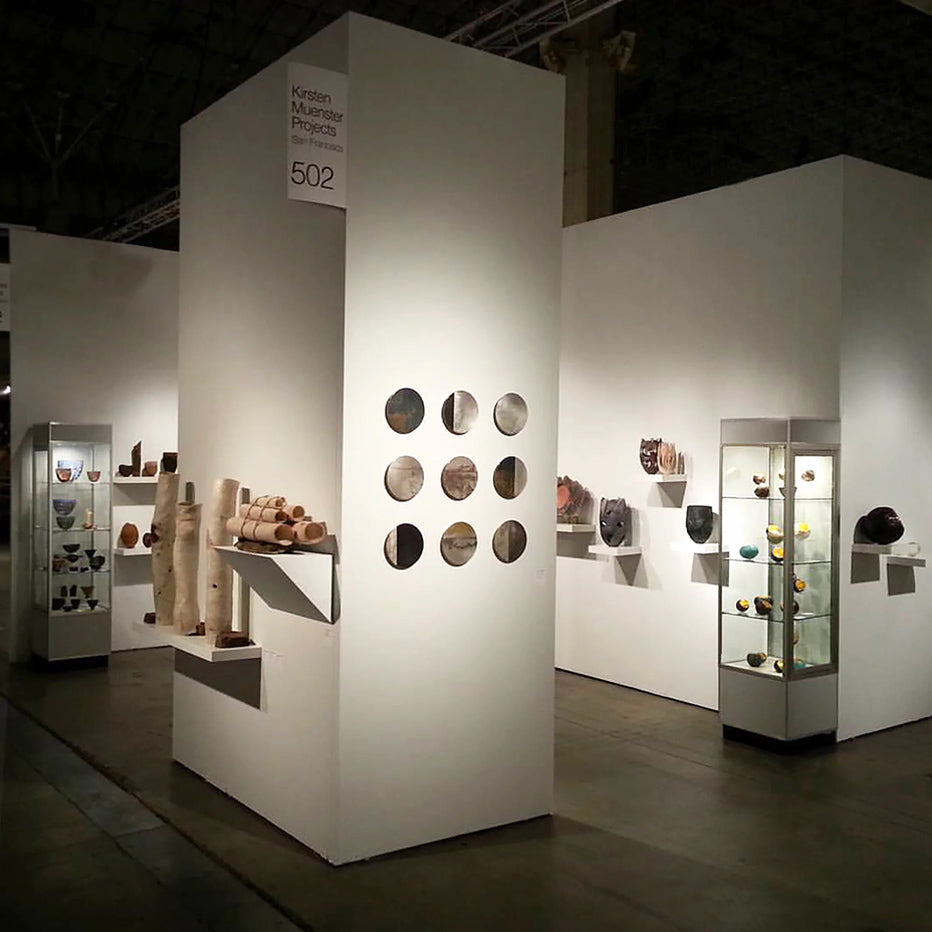
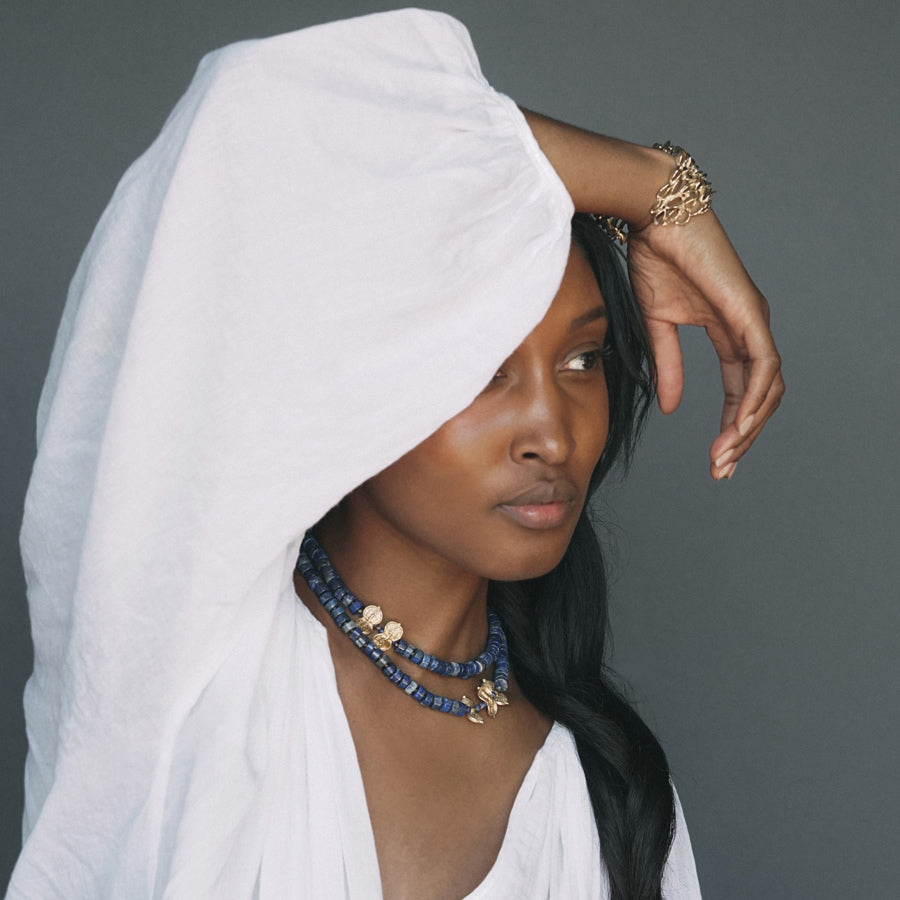
Kirsten Muenster Jewelry was officially launched in 2015. The jewelry collection has grown and evolved over the years yet everything is still designed and made by the artist in her plant-filled studio, one piece at a time. Kirsten’s connection to her work is primal; a part of her life and imagination made tangible. Pieces are sculpted and metamorphosed through touch, bringing something new into the world. Her hands shape the wax, work the metal, choose the stones, and tie the knot. Small, intimate, forever curious, and creative.
[image: Xlarge Banksia Cuff Bracelet and Lapis & Sweet Pittosporum Necklace]
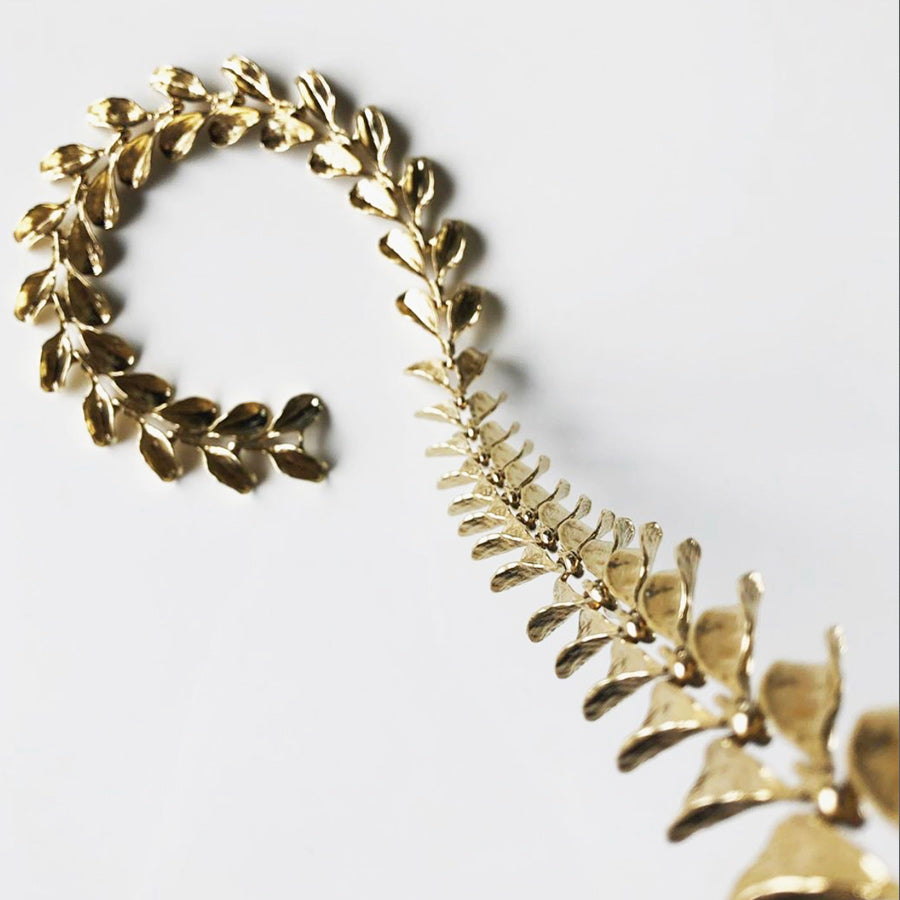
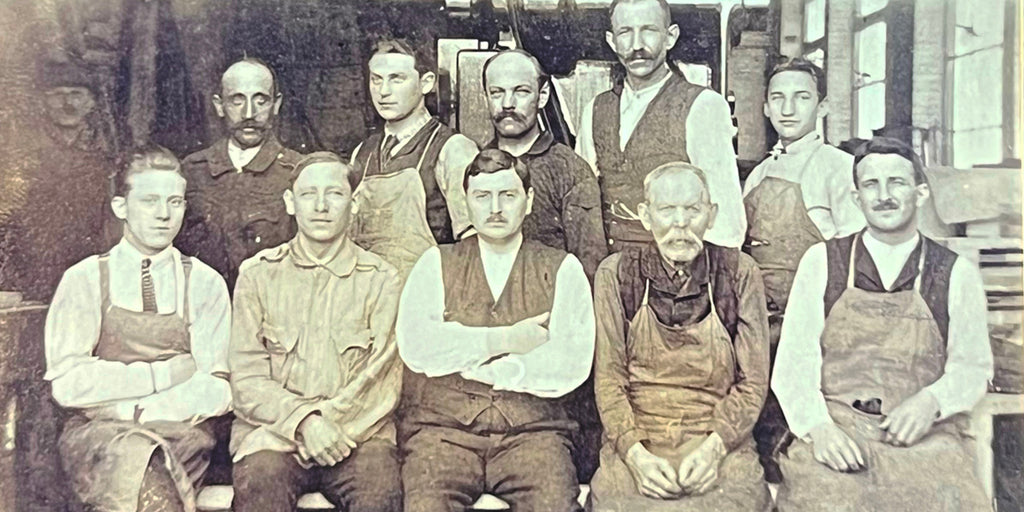
Design Influences
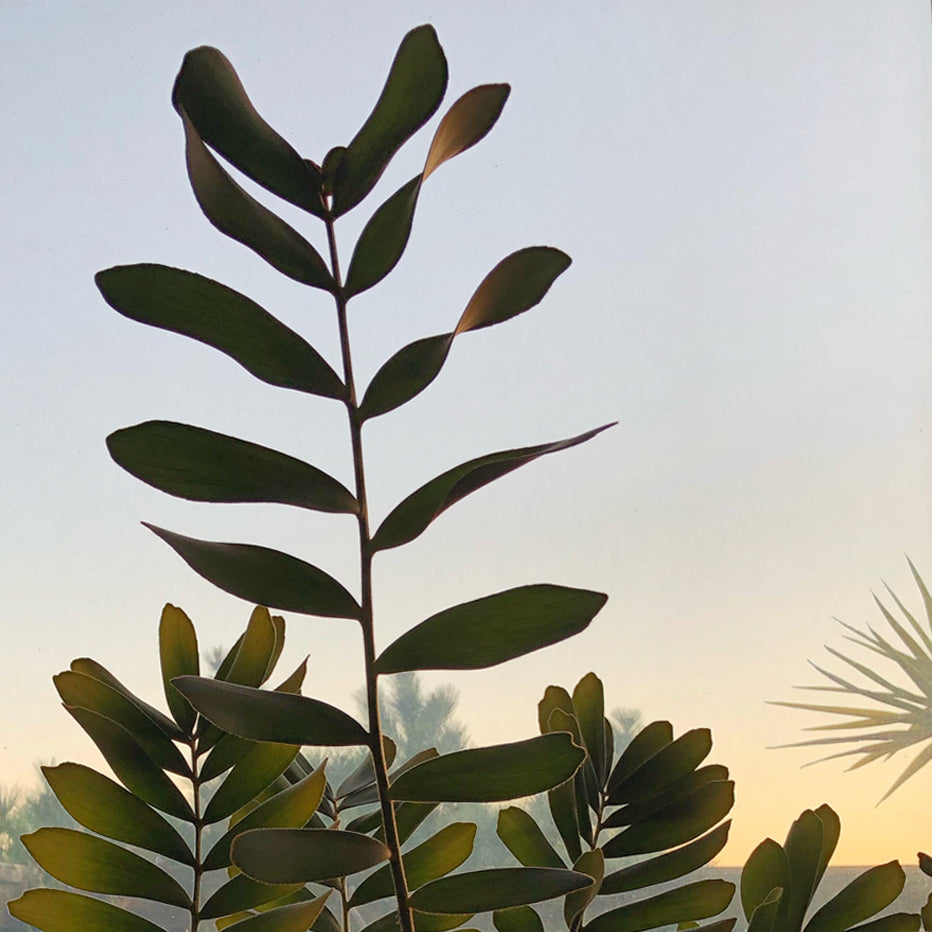
Kirsten’s work is influenced by various design movements and aesthetic concepts, from the organic shapes and natural imperfections of Wabi-sabi to the raw and bold patterns of Brutalist architecture. The jewelry also reflects an appreciation for archeological treasures, often evoking the feel of recently unearthed relics.
Wabi-Sabi
The Japanese concept of Wabi-sabi finds beauty in imperfection and impermanence. It finds elegance in simplicity and appreciates the natural weathering that is created by time. This aesthetic has been a significant influence in various aspects of Kirsten's life, most notably in her approach to jewelry design and material choice. Kirsten beautifully incorporates the principles of wabi-sabi with her use of natural, raw, recycled, ethically sourced, and found materials.
Respecting the integrity of natural objects, each stone, shell, and pearl is chosen for its unique set of “perfect imperfections” - interesting surfaces, inclusions, bumps, and shapes - something that highlights the natural beauty of the material.
“I don’t use many faceted gemstones in my work. Diamonds and “perfect” stones feel a bit lifeless to me, too cold and sterile. I’m more interested in how a stone makes me feel and find myself drawn in and moved by the imperfect oddities, they have much more character and presence.”
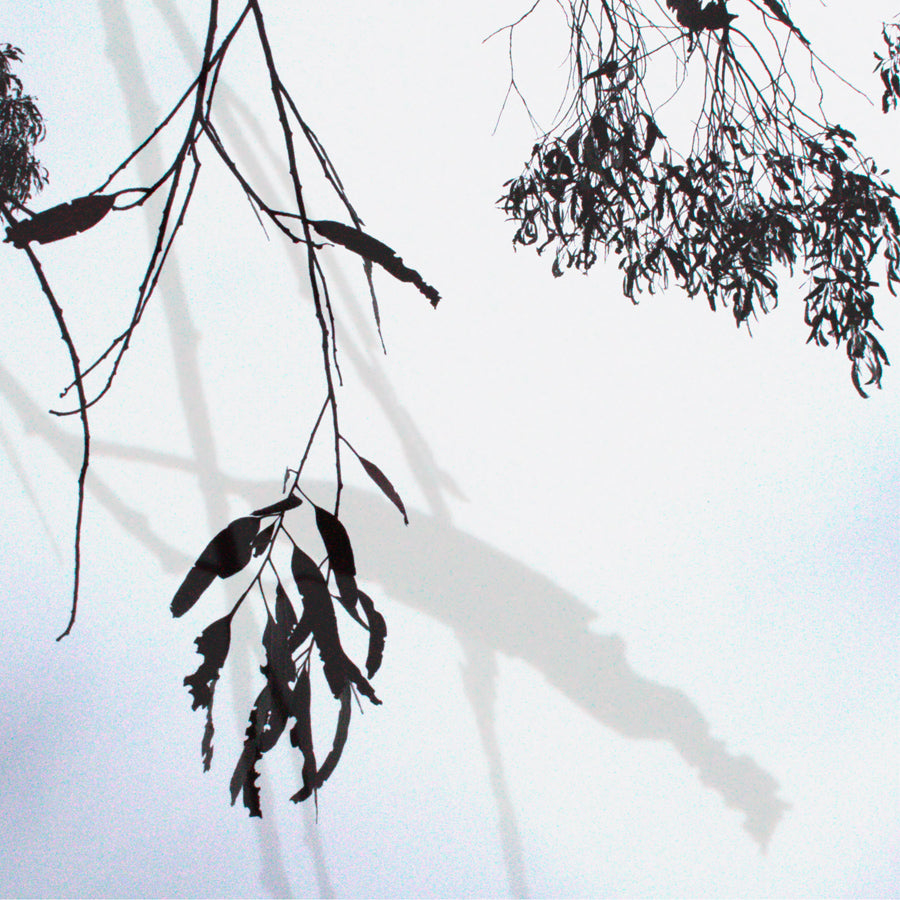
Kirsten’s designs embody the concept of impermanence and the beauty of things that are ephemeral. She works with brass, bronze, silver, and 10K gold and loves the way the different patinas grow more beautiful with age. This aligns with the wabi-sabi appreciation for objects that bear the marks of time, weather, and loving use.
Brutalism
Brutalist architecture, characterized by its raw aesthetic, has left a significant imprint as well. Emerging in the mid-20th century, Brutalism is known for its raw surfaces and emphasis on honest, functional design. Brutalist jewelry, much like its architectural counterpart, often exposes its structural elements, and celebrates the intrinsic beauty of materials, often leaving them in their raw or minimally processed state.
Kirsten’s focus on functionality and honesty in design has produced collections that are bold, substantial, and sculptural. Combining different textures and finishes in a single piece reflects the Brutalist practice of exposing and celebrating different construction methods, materials, and techniques. Reflecting the principle of 'truth to materials' her pieces honor the intrinsic beauty and character of the stones and metals.
[image: Rectangular Lapis Brutalist Ring]
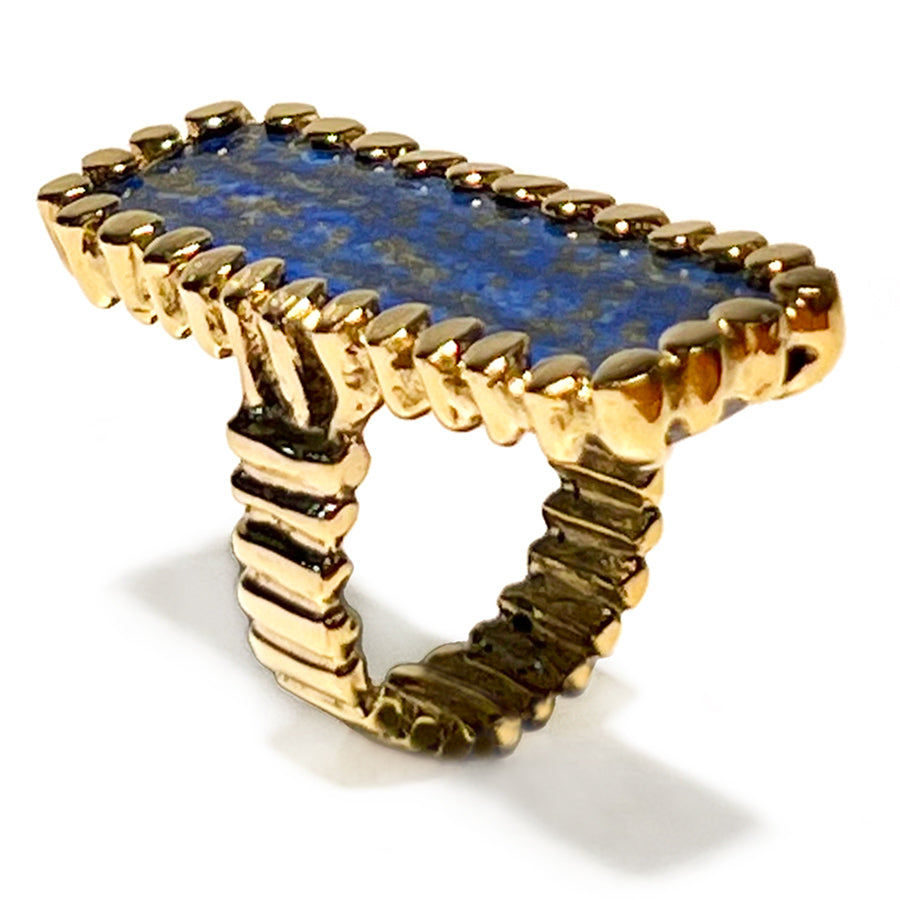
“I love the idea of jewelry as sculpture - pieces that consider intimacy, balance, and play. Jewelry should stand boldly on its own when off the body too, like mysterious objects that lure you into a dialogue. A piece should invite you in - to question, explore, touch, play, and finally to crave the feeling of putting it on your body.”

Organic Architecture
Kirsten Muenster has carved out a niche for herself in jewelry design with her unique 'Organic Architecture’ style, a harmonious blend of influences that results in jewelry that is innovative, bold, and respectful of the environment. Drawing inspiration from nature, she creates newly imagined forms that are not only visually striking but also imbued with a sense of life and movement.